
From churches to museums: communities built around a purpose
Democratic spaces as third and fourth spaces
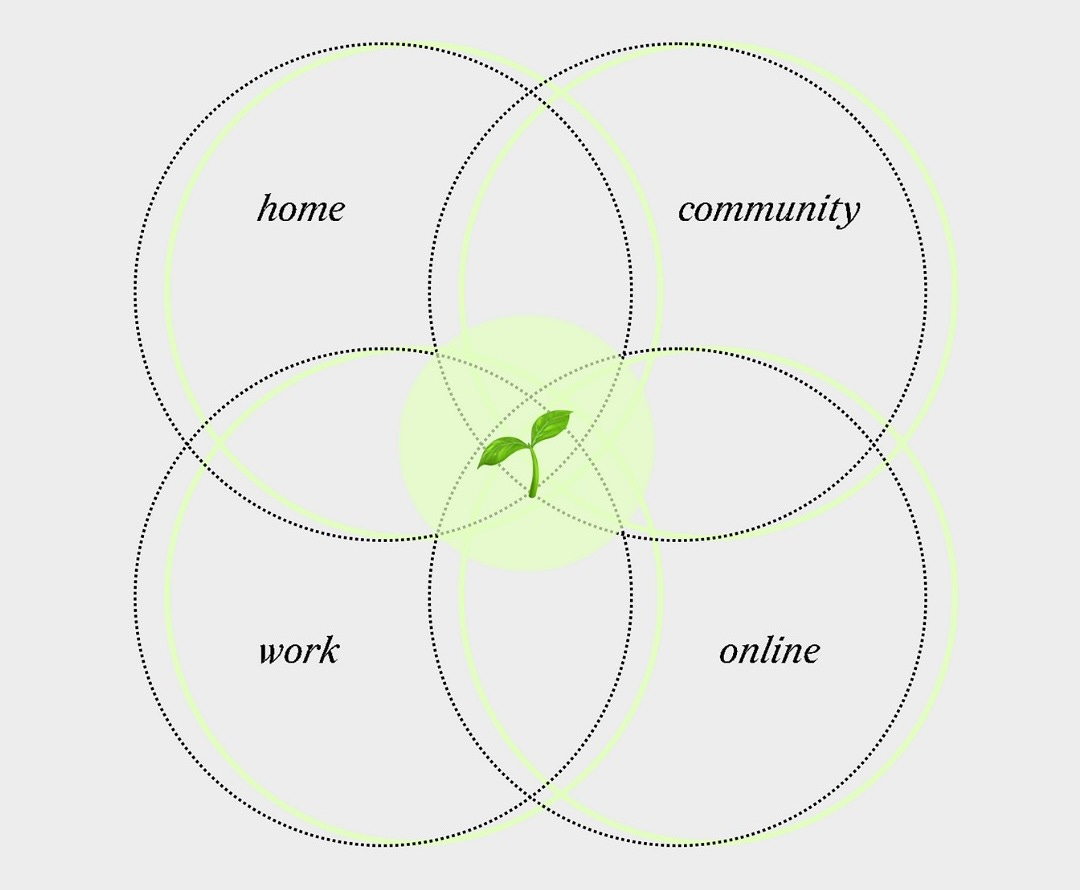
In his 1989 book The Great Good Place, sociologist Ray Oldenburg argued that a healthy society requires three distinct spaces. The First Space is the Home (private and family life). The Second Space is the Workplace (structured and productive life). The Third Space consists of public hangouts like coffee shops, libraries, parks, or pubs. (But I wanna be clear here: don’t think about coffee raves. That’s just nonsense.)
Now, the world is changing, and we have added a Fourth Space. According to Protein, the Fourth Space is born from the desire to live fully and to find meaning in the “in-between” moments. These spaces blend the physical and digital worlds to create new, immersive, and interconnected experiences. Imagine that decades ago, everyone had their favorite local bar or club. Today, restless consumption drives people to different places constantly. Now, at the threshold of the physical and digital, you belong to a community that informs you exactly where to be next weekend.
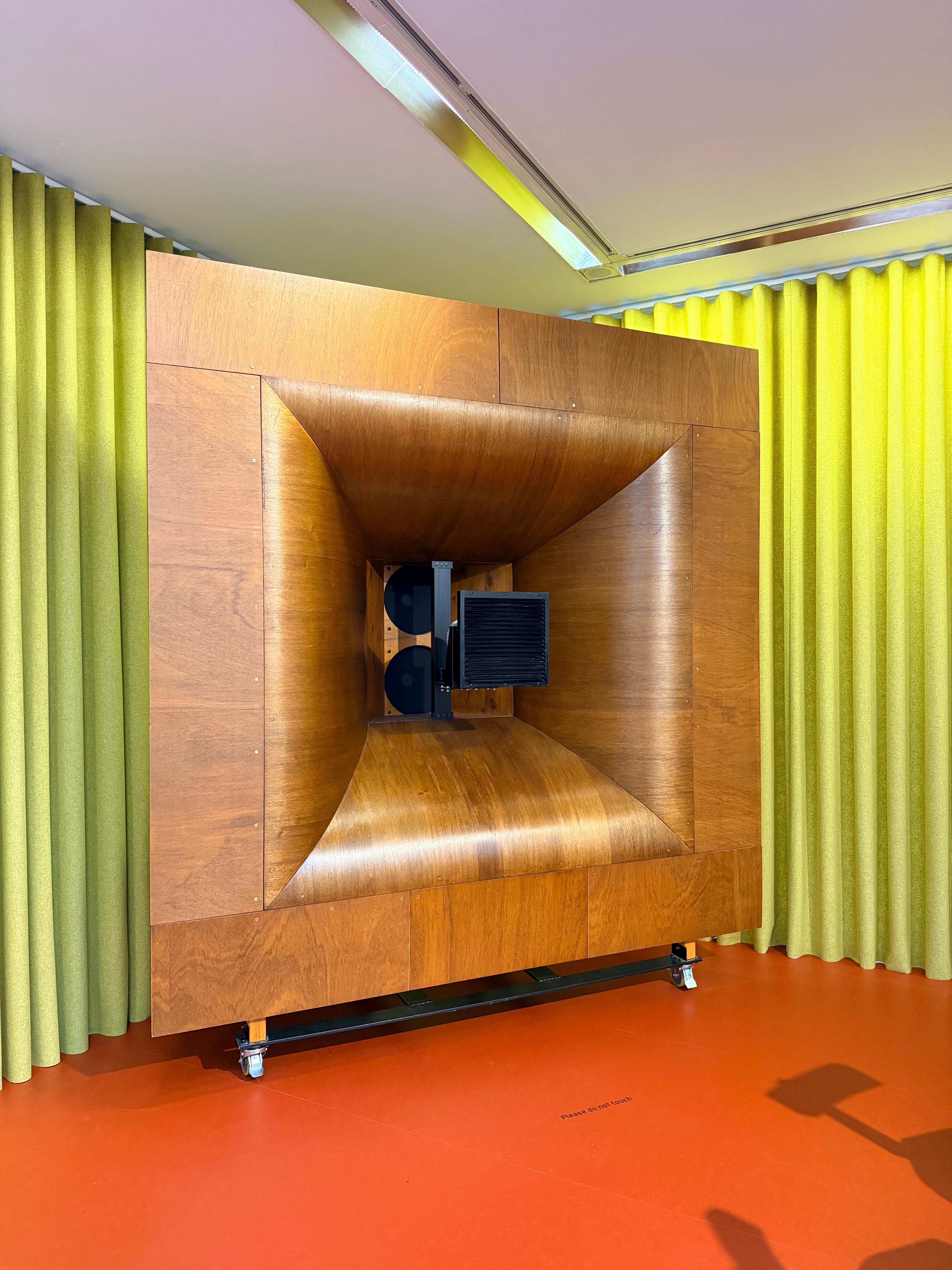
Some art institutions have already realized that this is a vital path forward for the future of their physical spaces. In December, I visited Peter Doig’s exhibition, House of Music, at the Serpentine Gallery in London. The exhibition transformed the gallery into a space for listening and the exchange of ideas. In addition to the paintings, the show featured two sets of rare analogue speakers, music curated by the artist and his friends, and a series of talk sessions with incredible collaborators like Alexa Chung and Hans Ulrich Obrist. The project didn't just explore visual art, it highlighted the role of music, film, and sites of communal gathering, listening, and creative exchange within his practice.
When we move away from traditional forms of art presentation, we have the opportunity to democratize something that for centuries (and even today) has belonged to the “elite”. By building a community rooted in the exchange of information and knowledge, we strengthen the link between people and art. Last year, I had the opportunity to work on the communication strategy for MASP, the most important museum in Latin America. We decided to strip away the “blah blah blah” of academic art jargon and democratize the entire communication tone. It simply made no sense for the largest museum in Brazil (a country with such high social inequality) to speak in such technical terms. The result was a significant increase in visitors and the creation of free cultural events at the museum.
However, in times of financial crisis, the state and traditional institutions often fail to provide basic assistance. This is where religious institutions step in as a practical support network, quite simply because they have everything a community "needs," and it’s free. Once you accept the "terms and conditions", you are automatically welcomed. This stands in a big contrast to museums or book clubs (or even brand activations), where access is more delicate, exclusive, and not always a positive experience. The turn toward the church during a crisis is a blend of spiritual hope and a calculated survival strategy because human connection is spatial. And it needs to be more democratic.
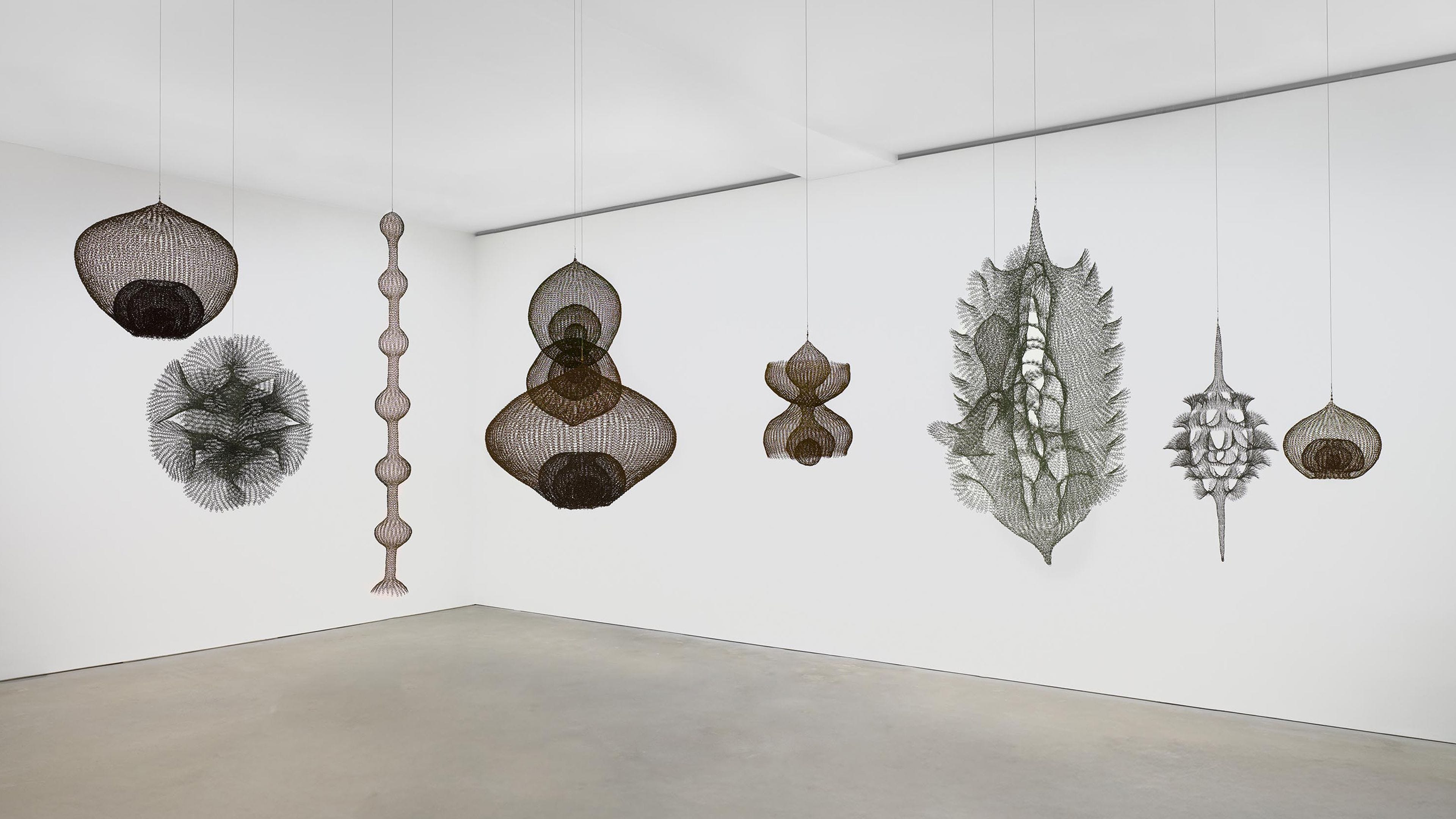
Ruth Asawa was an art-activist who leveraged her work to foster communion within her community in a deep and simple way. Her legacy, currently celebrated in a retrospective at the Guggenheim Bilbao, served as the primary inspiration for this newsletter. She used to invite ordinary people to help shape her giant sculptures, taught children to unlock their artistic potential, and viewed art as a living entity that is constantly evolving and, most importantly, uniting. Asawa’s wire sculptures perfectly translate the power of a united community into beautiful forms to inspire us.
Totally recommend these readings:
Charli xcx is back doing what she does best: activating her community. In an event called “Conversations”, the singer had a face-to-face talk about her new project with her fans. Her “anti-brat era” campaign has oficially begun. She handed out notebooks, pencils, T-shirts with a black-and-white photo, and analog cameras… everything analog, not digital. Are we entering into her anti-chronically-online era?
AI Jesus and BuddhaBot: the faith-based tech boom is here.
Partying in the age of constant optimisation: can hedonism and wellness truly coexist?
Live Nation and Ticketmaster are officially a monopoly after a jury found them liable for breaking antitrust laws.
Issey Miyake turned waste paper into furniture at Milan Design Week.
FKA twigs and Dev Hynes head to the Vatican for a major installation at the 2026 Venice Biennale. They’ll join Brian Eno, Patti Smith, and many others at the event, which kicks off next month. We always knew experimental music was a blessing. The Pope just made it official.
Vinted is now a top 3 fashion retailer by customer base in the UK.
#aesop presents ‘aposē’, a trio of lamps designed by its in-house architects, shown here for the first time ahead of the official launch.
And don’t forget to follow my playlist of 2026 releases to stay tuned for good new music: